The cork is gone! What do I do if it falls into the wine?
Δευτέρα 22 Μαρτίου 2021.webp "The cork is gone! What do I do if it falls into the wine?")
Are you concerned because the cork broke while opening the bottle—or because you might have accidentally swallowed a small piece of it?
No need to worry. Here you’ll find all the answers from a nutritional, medical, and wine-related perspective. This is the complete guide on what you should (and shouldn’t) do when the cork decides to… ‘spoil the moment.’
If the cork broke and small pieces ended up in the bottle or in your glass, there is no reason for concern. While the experience can be annoying, from a practical and medical standpoint it is not considered dangerous. Small fragments of cork are harmless to the body and, if swallowed accidentally, usually pass without causing any issues. Cork is a natural, neutral, and biodegradable material, meaning it is non-toxic and not associated with allergic reactions.
Are there any exceptions?
There are a few exceptions, mainly in cases where a person already has an underlying medical condition or when the cork fragment isn’t tiny but larger and harder. Individuals with throat sensitivities, dysphagia, or a history of gastrointestinal issues may experience greater discomfort if they accidentally swallow a bigger piece. Even in such situations, the risk of actual harm remains very low—the issue is usually about temporary discomfort rather than a dangerous scenario.
Another exception concerns cases where the cork is not natural but synthetic or made from low-quality composite materials. In these situations, the texture and hardness may differ slightly, yet the likelihood of any real danger still remains extremely small.

Why does the cork break?
The cork can break for various reasons related both to the nature of the material and the way we handle the bottle. Firstly, dryness and aging play a crucial role. Over the years, natural cork loses its elasticity, dries out, and becomes brittle, especially if the bottle has been stored upright or left for a long period without proper humidity.
Additionally, cork quality is decisive: in more economical wines, compressed or synthetic corks are often used, which lack the durability of natural cork and tend to break easily when opening. Finally, the technique used to open the bottle significantly affects the cork’s integrity. Excessive force, the wrong angle, or using an inappropriate corkscrew can cause the cork to break or crumble, making the pouring process more difficult and increasing the likelihood of cork fragments ending up in the wine.
Can the wine be affected by the cork?
Wine can be affected by the cork in certain cases, though it is not always inevitable. Cork, being a natural material, carries microorganisms and compounds that can interact with the wine. In cheaper wines or with low-quality corks, there is a higher risk of unpleasant aromas or flavors developing, such as the characteristic “cork taint,” caused by trichloroanisole (TCA) compounds.
Additionally, if the cork is of poor quality, very dry, or has been stored under unsuitable conditions, it may shed fragments or allow air to enter the bottle, leading to premature oxidation or deterioration of the wine’s aromas and freshness. However, in well-preserved bottles with high-quality natural cork, the impact is minimal, and the wine remains unchanged for years.
Practical Guidelines: What to Do If the Cork Falls In
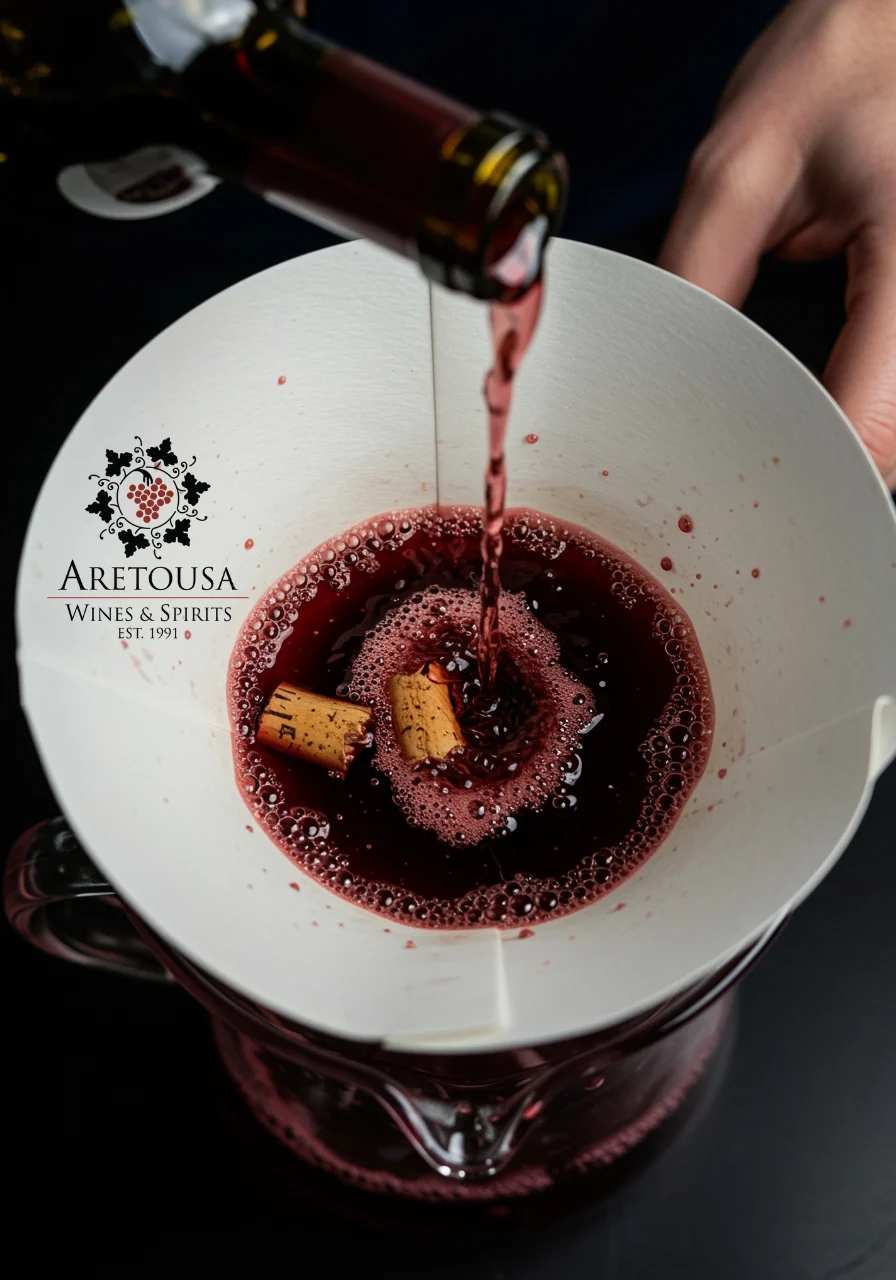
When the cork falls into the bottle, it’s important to stay calm and methodical, as proper handling can save the wine and prevent unwanted flavors or fragments. First, if the bottle has just been opened and the cork has slipped inside, there’s no need to panic—the wine has not undergone any immediate alteration. The most practical approach is to use a strainer or filter while pouring to catch any small cork pieces.
If the cork has broken into larger pieces, you can carefully decant the wine into another clean bottle or container, taking care not to stir up the sediment at the bottom. Avoid shaking or pressing the wine, as this will disperse small fragments throughout the bottle and may affect its clarity and texture. In any case, a calm and careful approach ensures that your drinking experience remains intact and that the wine can be served with its quality and aromas preserved.
From a medical perspective: What do the experts say?
From a medical perspective, experts emphasize that swallowing small cork fragments from wine does not pose a serious health risk. Cork is a natural, biodegradable, and non-toxic material, so tiny pieces that may end up in your glass or sip usually pass through the digestive system without issues. Additionally, maintaining the wine’s clarity and using filters significantly reduces the chance of cork or other debris being ingested during consumption.
Gastroenterology specialists also note that larger cork fragments may cause only mild discomfort or a sensation of a foreign object in the mouth or throat, but they are not associated with permanent harm. Therefore, careful handling when opening and serving wine ensures that consumption remains completely safe, while using filters or strainers can provide an extra layer of reassurance by preventing unwanted fragments.
How to Prevent It in the Future?
Prevention starts with how you care for the bottle even before it’s time to open it. Proper storage keeps the cork in good condition; a bottle stored horizontally allows the wine to touch the cork, keeping it slightly moist and elastic. When a cork dries out over time, it becomes brittle and more likely to break. Temperature also plays a critical role. A stable, cool environment without large fluctuations protects both the wine and the cork from stress and expansion.
When opening the bottle, the tool you use makes a difference. A quality two-step corkscrew provides support and control over the pressure, reducing the risk of the cork splitting or crumbling. The motion should be steady and unhurried. If the cork appears old or fragile, it’s better to proceed carefully without applying excessive force.
Conclusion
At the end of the day, a broken cork is not a cause for panic but a minor hiccup in the overall experience. With proper storage, careful opening, and clean pouring, the wine remains safe, high-quality, and enjoyable. Any minor inconveniences can be easily managed, while the true essence—the enjoyment of the bottle—remains intact.
Want to try wine with a high-quality cork?
Discover our collection of carefully selected Greek wines with traditional, high-quality corks. 5+1 free bottles + free shipping across Greece ➜ Mavropetritis White Dry Wine
Disclaimer and Responsible Wine Enjoyment
This article is intended for informational purposes and is based on generally accepted knowledge from the fields of oenology and nutrition. It does not constitute medical, dietary, or professional advice.
Consumption of products, even those considered harmless (such as natural cork), may affect individuals differently. In case of doubt, allergy, or suspicious symptoms, we recommend consulting a healthcare professional.
Our company is not responsible for any use of the information in this article without prior individualized medical or specialized guidance.
Enjoying wine is each person’s responsibility and pleasure—always with moderation, safety, and awareness.